
Buying a truck camper or converting a van are two of the most popular ways to travel today, but they’re very different approaches to life on the road. While both can take you far beyond traditional campgrounds, the right choice ultimately comes down to how you travel, your budget, and what you expect from your vehicle. While van life promises the freedom of perpetual travel, the right truck camper can seamlessly blend into everyday life while opening the door to weekend adventures, long-term travel, and off-grid living.
What Is a Truck Camper?
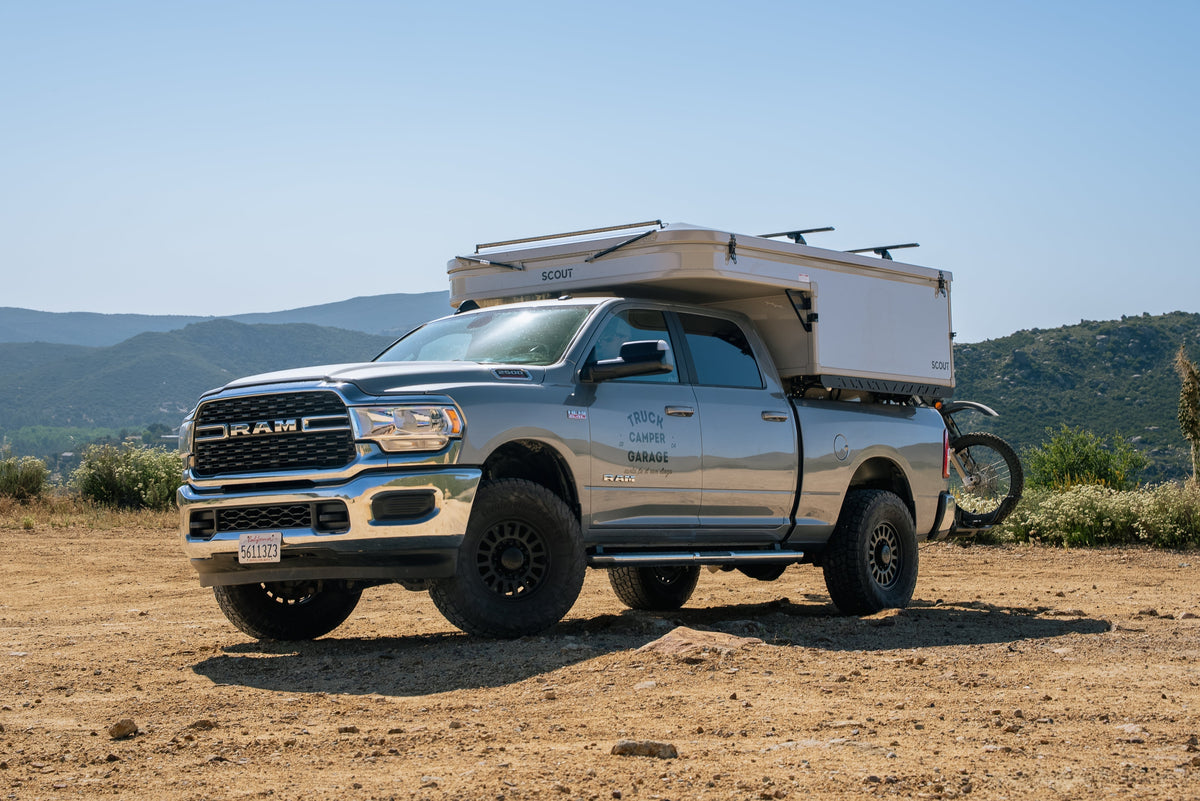
A truck camper is a self-contained living space that mounts in the bed of a pickup truck. Models include hard-sided and pop-up designs. While technically the camper can be removed when not in use, many buyers shop for one that they can keep as a permanent fixture on their vehicle. Truck campers are compatible with a wide range of pickup trucks, although larger models may require a heavy-duty truck or suspension upgrades, depending on the camper’s weight and your truck’s payload capacity.

What Is Van Life?
In the last decade, camper vans have exploded in popularity. Thanks in part to social media and the Covid recreation boom, decked-out sprinter vans dominate most public campgrounds, especially here in Southern California. While a camper van combines your vehicle and living quarters into one package, it can be limiting as a daily driver or for travelers looking to push past the pavement. Campervans come in all shapes and sizes and can be extremely affordable if DIY-converted or very costly if professionally converted. Common campervan platforms include the Mercedes Sprinter, Ford Transit, and Ram ProMaster.

Truck Camper vs. Van Life: Comparing the Two
Truck campers are often viewed as the more affordable option, especially for existing truck owners. Entry-level models can be found for well under $20,000, while many well-equipped hard-side and pop-up campers fall in the $25,000–35,000 range. Even premium truck campers often cost less than a professionally converted camper van, which can easily exceed $100,000. Even the combined cost of a camper and a new truck can still fall under the price tag of the latest premium van conversions.
The purchase price is only part of the equation. A camper van combines your vehicle and living space into a single platform. While this creates a streamlined travel experience, it also means that major repairs or replacing the vehicle often mean replacing your entire investment. Maintenance costs can also be higher, particularly for diesel vans and custom conversions with integrated electrical, plumbing, and cabinetry. For travelers who already own a capable pickup, a truck camper can be one of the most cost-effective ways to get on the road.

Flexibility
Both truck campers and camper vans give you the freedom to hit the road on a whim and camp almost anywhere, but each fits a different style of travel. If you’re planning to live on the road full-time or spend months at a time traveling, the integrated layout and convenience of a camper van may be the better fit. If your adventures are more likely to include weekend getaways, extended road trips, or seasonal travel, a truck camper offers greater flexibility—especially if you already own a pickup. And when the trip is over, you can remove the camper and get your daily driver back, giving you the versatility of two vehicles instead of one.

Off-Road Capability
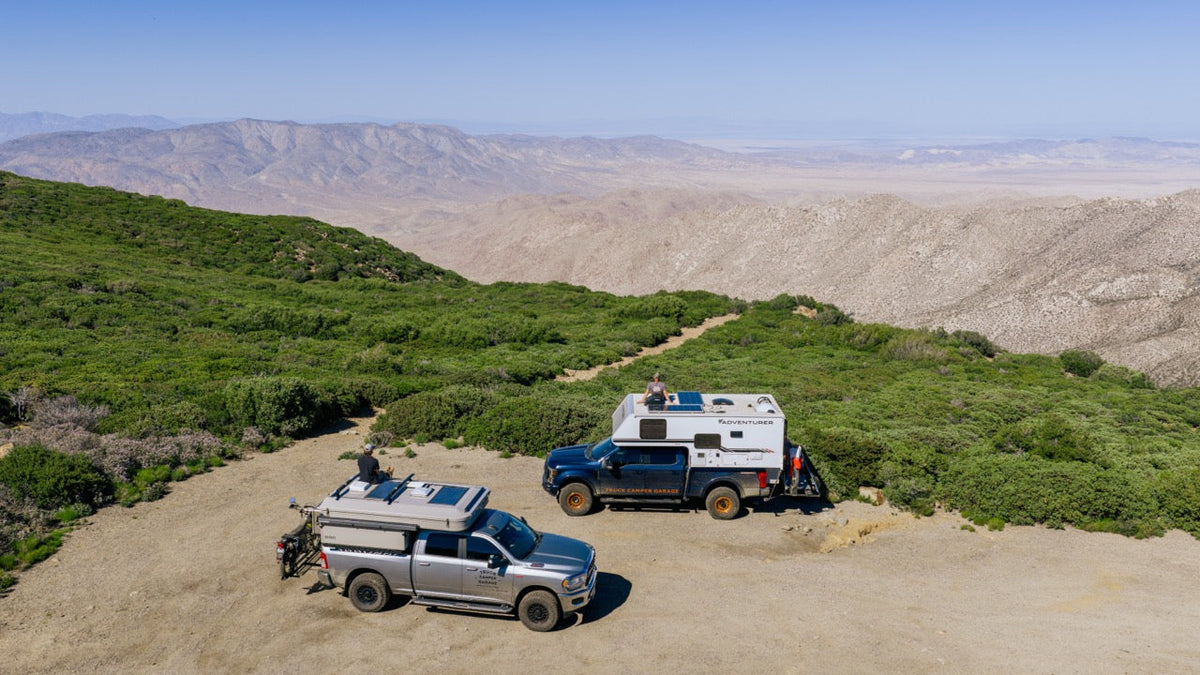
Many camper vans are available with all-wheel drive, but those models typically come at a premium. Pickup trucks, on the other hand, are commonly equipped with four-wheel drive and are designed to drive rough roads and challenging terrain. They generally offer better ground clearance, greater suspension upgrade options, and a wider range of aftermarket components, making them a popular choice for overlanders and travelers who frequently venture off the pavement. A stock 4x4 truck will outperform the most-upgraded AWD van thanks to its tire size, ground clearance, and lower center of gravity.

Living Space & Comfort
At first glance, you might assume camper vans offer significantly more living space, but that’s not always the case. Many hard-side truck campers comfortably sleep two adults in a queen-size cabover bed while still providing a functional kitchen, dinette, and, in many models, a wet bath with a toilet and shower. Because the bed sits above the truck cab, truck campers can often make more efficient use of their interior space than many people expect.
Camper vans, however, offer a different kind of convenience. Their walk-through layout allows you to move freely from the driver’s seat to the living area without stepping outside, and integrated cabinetry often provides additional interior storage. They’re also better suited for stealth camping, allowing you to pull over, cook dinner, and climb into bed without ever leaving the vehicle. Additionally, when you’re in a van, you’re quite literally driving your living room and kitchen. Meaning a sharp turn or slightly rough road will set off a symphony of noises from pots and pans banging to cabinetry slamming shut.

Additional Considerations
Beyond the differences in layout and capability, there are a few practical considerations worth keeping in mind. With a truck camper, the truck and camper are two separate investments. If your truck eventually needs replacing, you can often move the camper to a new vehicle, and mechanical repairs don’t necessarily take your living space off the road. Additionally, if you get in an accident, you’re not starting from scratch with your build. Truck campers also tend to offer more established warranty coverage and nationwide dealer networks, making long-term service and repairs easier. Many custom camper van builders offer limited warranty support, and because their builds are often highly customized, finding another shop familiar with the electrical, plumbing, or cabinetry while traveling isn’t always straightforward.
If you plan to tow a boat, utility trailer, or other recreational equipment, a truck camper may also be the better choice. Pickup trucks generally offer greater towing capacity than camper vans, allowing you to bring along additional gear without compromising your living space.
Finally, fuel economy is often part of the conversation. Camper vans may achieve slightly better fuel economy in some situations, but real-world mileage varies considerably depending on the vehicle, camper weight, terrain, driving conditions, and how the rig is equipped. For most buyers, long-term flexibility and choosing the platform that best fits their travel style will have a much greater impact than a small difference in fuel costs.

Summary
Choosing between a truck camper and a camper van ultimately comes down to how you travel. If you value an all-in-one setup and spend most of your time on the road, a camper van may be the better fit. If flexibility, off-road capability, lower long-term ownership costs, and the ability to use your truck beyond camping are higher on your list, a truck camper is hard to beat.
Still not sure which option is right for you? Check out our Truck Camper Buying Guide or stop by our San Diego showroom to compare multiple truck camper brands side by side and talk with a team that’s passionate about helping you find the right rig for your next adventure. If you are a van lifer or in the market, our custom shop offers upgrades, installs, and repairs on most van systems.